Anduril Fury (YFQ-44A / FQ-44) V1.0
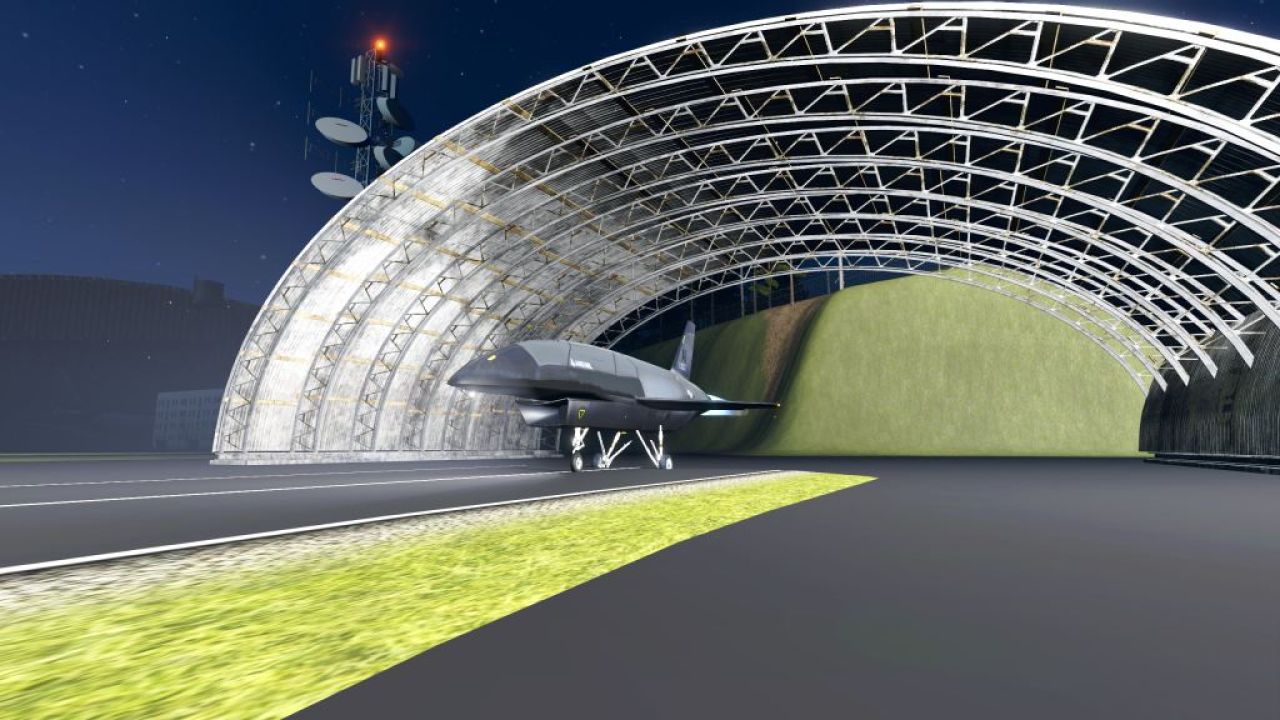
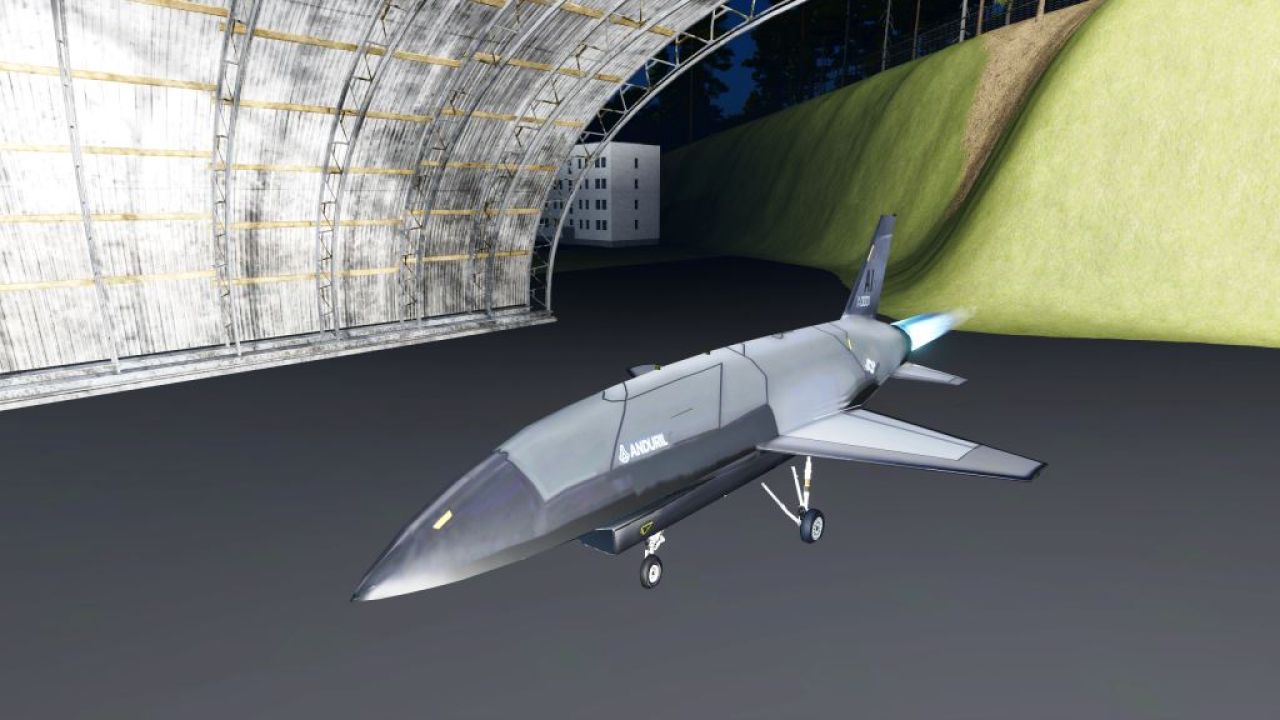
Anduril Fury (YFQ-44A / FQ-44) V1.0
Anduril Fury (YFQ-44A / FQ-44): Technical and Operational Analysis
Technical Characteristics
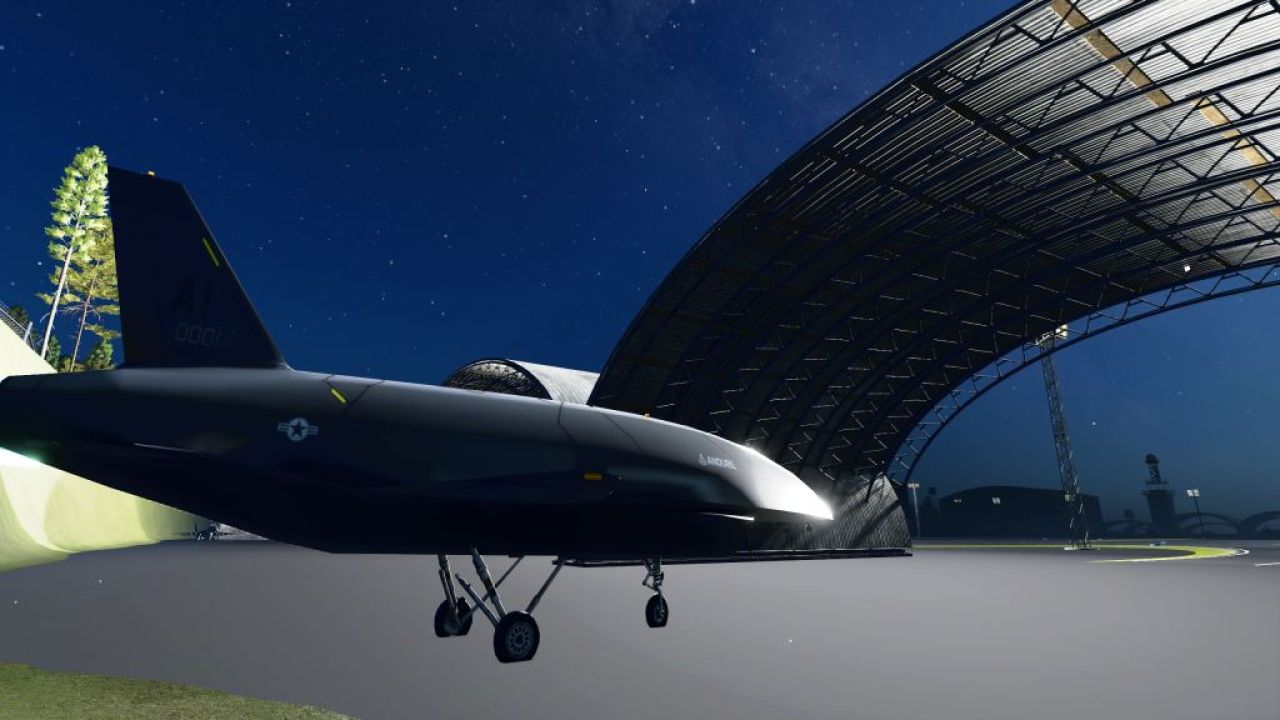
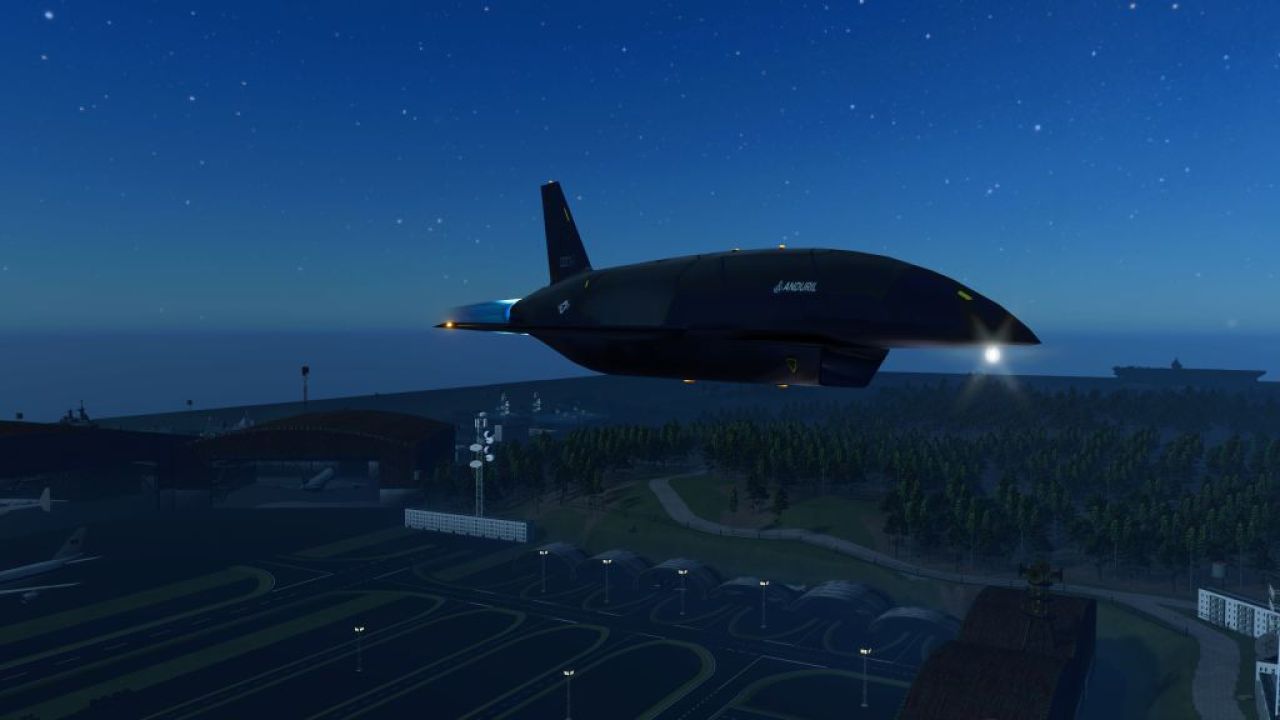
Design and Origin: Originally designed by Blue Force Technologies (acquired by Anduril in 2023) as an advanced high-threat aggressor platform before being adapted for the U.S. Air Force. It features a fighter-like layout roughly half the dimensions of an F-16 Fighting Falcon.
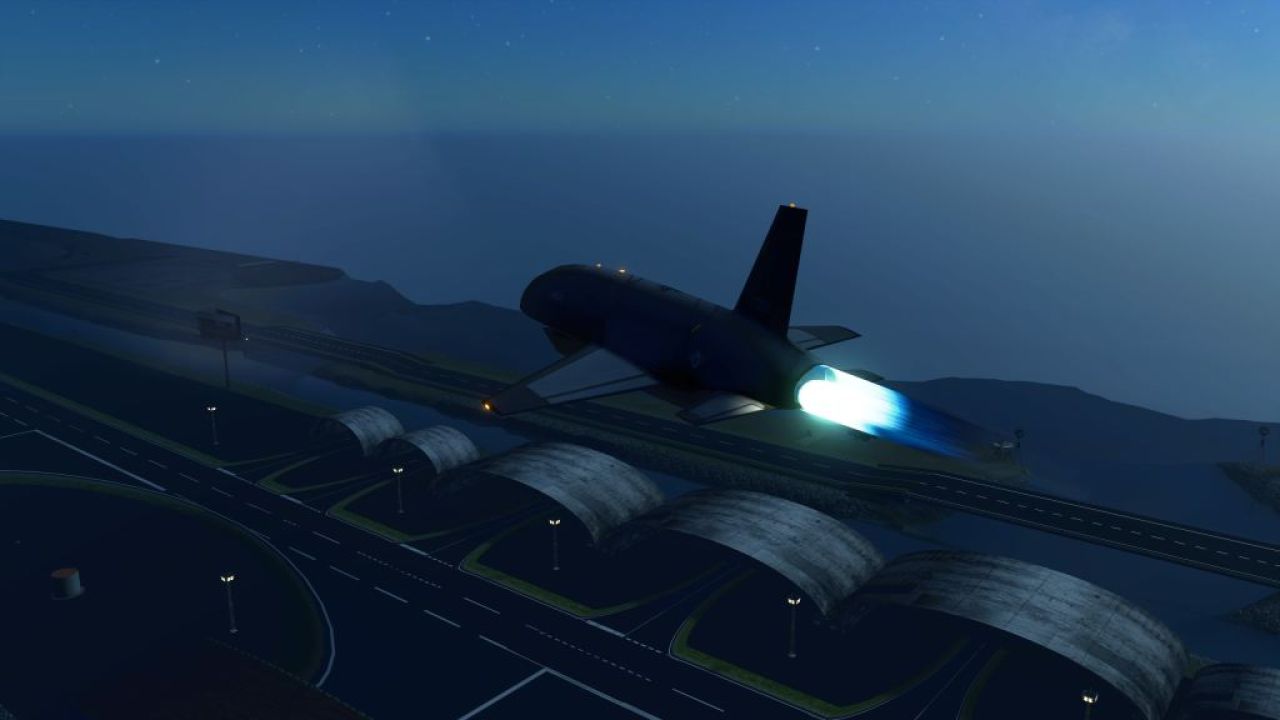
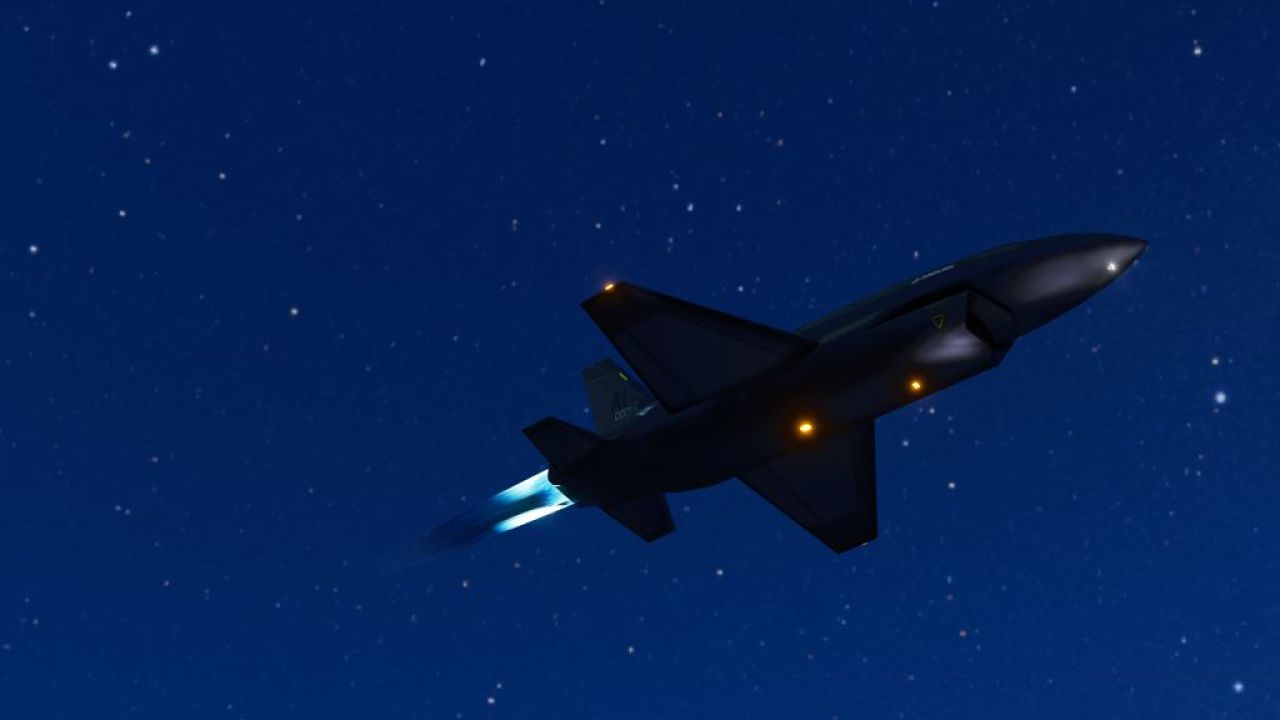
Aerodynamics and Airframe: Configured with swept trapezoidal wings, a chin-mounted air inlet, and a cruciform tail arrangement (with stabilators and a single vertical stabilizer).
Performance: Powered by a single Williams FJ44-4M turbofan engine (delivering roughly 4,000 lbf of thrust), it is designed to reach Mach 0.95, fly up to 50,000 feet, and pull high-g maneuvers (+9/-3 g limits).
Payload and Armament: Equipped with external hardpoints capable of carrying tactical weapons like AIM-120 AMRAAM missiles (tested using Captive Air Training Missiles).
Utility
Collaborative Combat Aircraft (CCA): Serves as an advanced “loyal wingman” unmanned combat aerial vehicle (UCAV) designed to operate alongside crewed stealth fighters like the F-22 Raptor and F-35 Lightning II.
Manned-Unmanned Teaming (MUM-T): Operates via advanced mission autonomy software (powered by Anduril’s Lattice platform) to execute complex tactical instructions, extend sensor reach, and increase overall combat mass.
Air-to-Air Dominance: Tailored primarily for contested air superiority missions, providing affordable mass and deep-magazine firepower to supplement traditional fighter squadrons.
Importance
Program Milestone: Selected as one of the winning designs for Increment I of the U.S. Air Force’s flagship CCA program, moving rapidly from initial flight testing to an initial production contract.
Cost-Effective Scalability: Designed to deliver high-performance tactical capabilities at a fraction of the cost of crewed fighters, allowing commanders to field “affordable mass” and take calculated tactical risks without risking human pilots.
Objective
Deliver Autonomous Air Power: Its core mission is to provide high-performance, semi-autonomous fighter augmentation that ensures tactical air dominance, protects human flight crews, and deters peer adversaries in contested airspace.
Author: karl zu